Moeve: Phenol Plant Production Maximization
Real-time optimization
Optimitive delivered a 3.38% increase in total CHP production for MOEVE, providing continuous open-loop recommendations used by operators over 80% of the time. Every 15 minutes, the system optimizes 7 operative variables, allowing the facility to dynamically adapt to plant conditions to maximize output while stabilizing overall performance.

From 2018
Ongoing Service
Autonomous AI maximizing intermediate production in world-scale petrochemical facilities
Client
MOEVE (formerly CEPSA), at Palos de la Frontera (Huelva, Spain)
Description
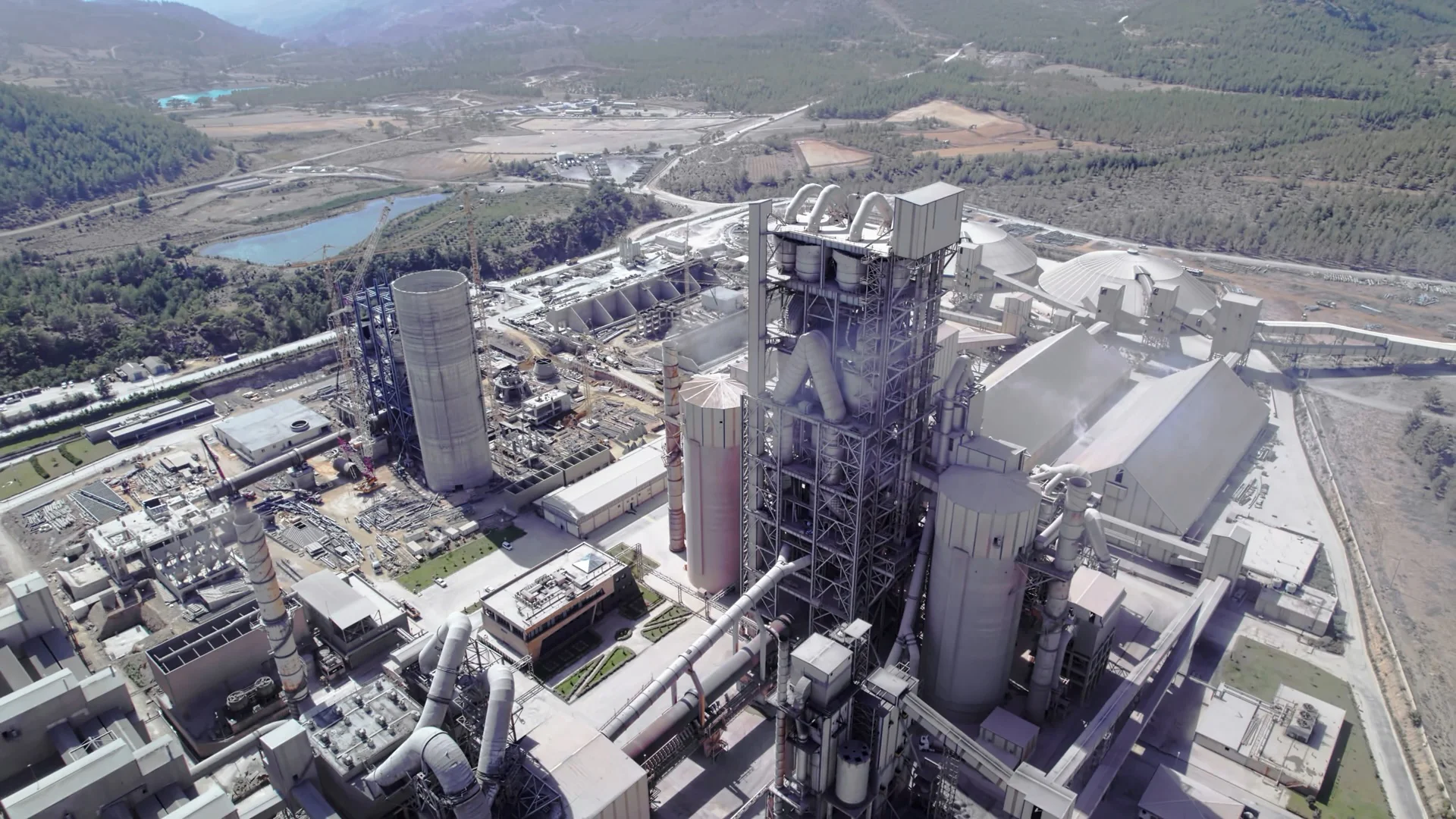
Phenol is one of the most vital intermediates in the chemical industry, serving as a critical feedstock for high-demand polymers like polyamides, polycarbonates, and epoxy resins. MOEVE operates one of the largest phenol facilities in the world in Spain to meet the globally increasing demand for these essential materials.
Raw material
Cumene
Process summary
3 Reactors
Production availability
24/7
Why AI, Why Now?
Shaping the future of the Petrochemical industry
The reaction to obtain phenol involves a complex two-stage process—oxidizing cumene to yield cumene hydroperoxide (CHP) and then decomposing it into phenol and acetone. These stages are highly sensitive to shifting plant conditions, making it difficult for standard control methods to maximize yield while strictly adhering to ten distinct process constraints. By implementing AI, MOEVE can autonomously adapt to these fluctuations every 15 minutes, maximizing production without risking stability.
The Problem
Phenol is one of the most important intermediates in the chemical industry. Its demand has increased over the years due to its wide range of applications, being feedstock in the manufacturing of some very important polymers including polyamides, polycarbonates and epoxy resins. The reaction to obtain phenol takes place in two separate stages; firstly cumene is oxidized to yield cumene hydroperoxide (CHP), and secondly this CHP is decomposed into phenol and acetone.
OPTIBAT® is operating aimed at the real-time optimization of the production in one of the largest phenol facilities in the world located in Spain.
The Solution
An OPTIBAT® Real-Time Optimization system has been setup, learning continuously from process data and adapting to the different plant conditions. The objective function to maximize is the phenol production. OPTIBAT® provides recommendations every 15 minutes for 7 operative variables. Process constraints (10) are also modeled to guarantee their fulfillment. The Optibat® system went through a series of fine tuning steps regarding signal treatment, parameterization and modeling during the first weeks after the open-loop commissioning, being run largely since then. Accurate predictive models for reactant and product concentrations have been achieved, with a robust behaviour and nearly negligible maintenance equirements.
Quality
The system maintains robust and accurate predictive models for reactant and product concentrations to ensure product excellence.
OPTIBAT® strictly monitors ten modeled process constraints, guaranteeing that production maximization is achieved within safe limits and high-performance quality standards.
Total CHP Production Increase
Yearly CO₂ Emissions Reduction
System Usage Frequency by Operators
24/7
Continuous Open-Loop Recommendations
success study
Solutions applied to Moeve

Consistent product quality
Optimize production with OPTIBAT®. Leverage real-time data to predict quality outcomes, reduce variability, and ensure product consistency while boosting efficiency and profitability.

Lower CO₂ emissions and measurable sustainability impact
Advanced emissions management by OPTIBAT®. Use AI models to monitor energy and process conditions in real-time, automatically applying optimal strategies to reduce emissions without sacrificing quality or safety.

Maximized throughput with lower energy use
Maximize yield with OPTIBAT®. Continuously analyze process data to anticipate disturbances and push assets to their maximum sustainable limits while maintaining stable, continuous operations.

Improve energy efficiency
Reduce energy consumption with OPTIBAT®. Implement Real-Time Optimization to identify invisible inefficiencies and maximize energy efficiency in your industrial operations without compromising quality.
success study
How it was carried out
PHASE 1
Process Data Analysis & AI Modeling
Historical reactor data was analyzed to build high-fidelity predictive models capable of adapting to various plant conditions.
PHASE 2
Optimization Strategy & Design
We defined a production maximization objective function while modeling ten specific safety and environmental constraints.
PHASE 3
Integration, Commissioning & Training
Following initial signal treatment and fine-tuning, the system entered 24/7 operation, providing real-time data to operators in an open-loop configuration.
Reviews del cliente
Mason Mitchell expressed his gratitude, stating that the team's innovative approach not only brought his vision to life but also enhanced the functionality of each space, making everyday living a delightful experience. Their commitment to excellence and customer satisfaction truly sets them apart in the realm of interior design.
Detailed Review
Design Execution
Project Planning
Budget Management
Implementation
Professionalism
We found it incredibly satisfying to discover how we could optimize our manufacturing processes by applying Optibat's analysis-based proposals. After reviewing the predictions, we drew up a plan and executed it in just a few months.

Mason Mitchell
TITAN US-MIAMI COO